
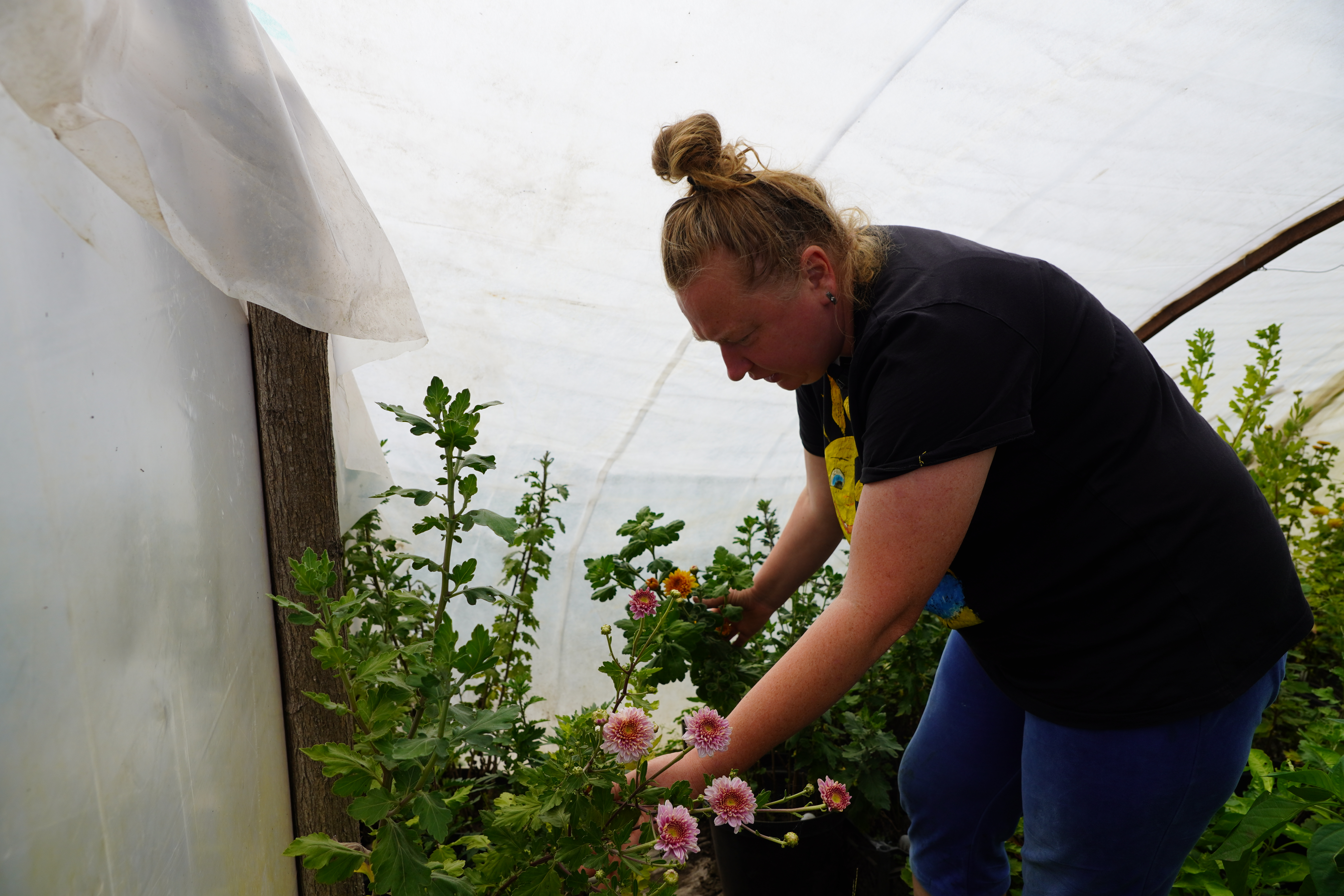
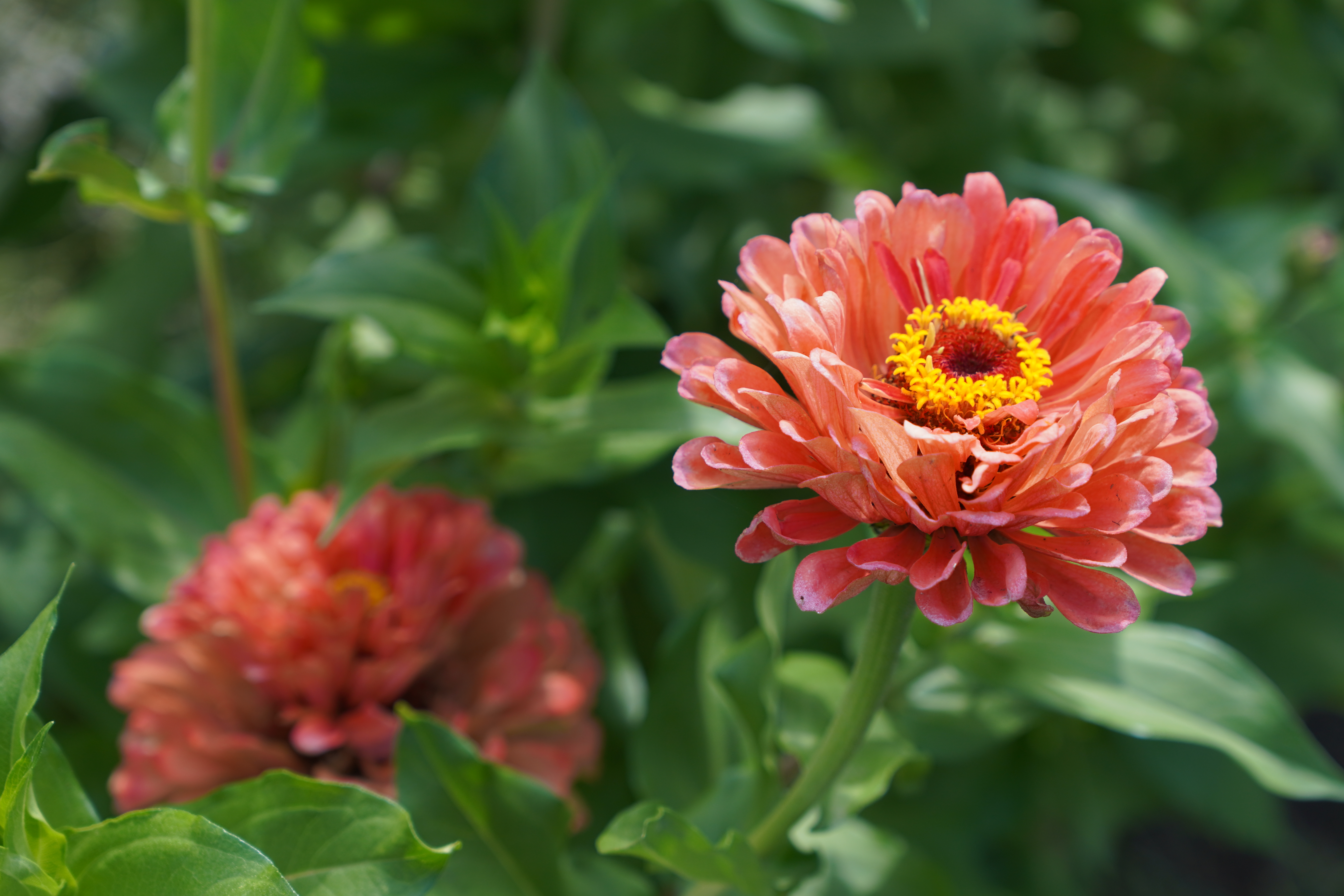
Today, Olha lives in Chornobai village, Cherkasy Region, where she runs a small business growing and selling chrysanthemums and planting materials. She has returning customers, reinvests part of what she earns, and is steadily expanding.
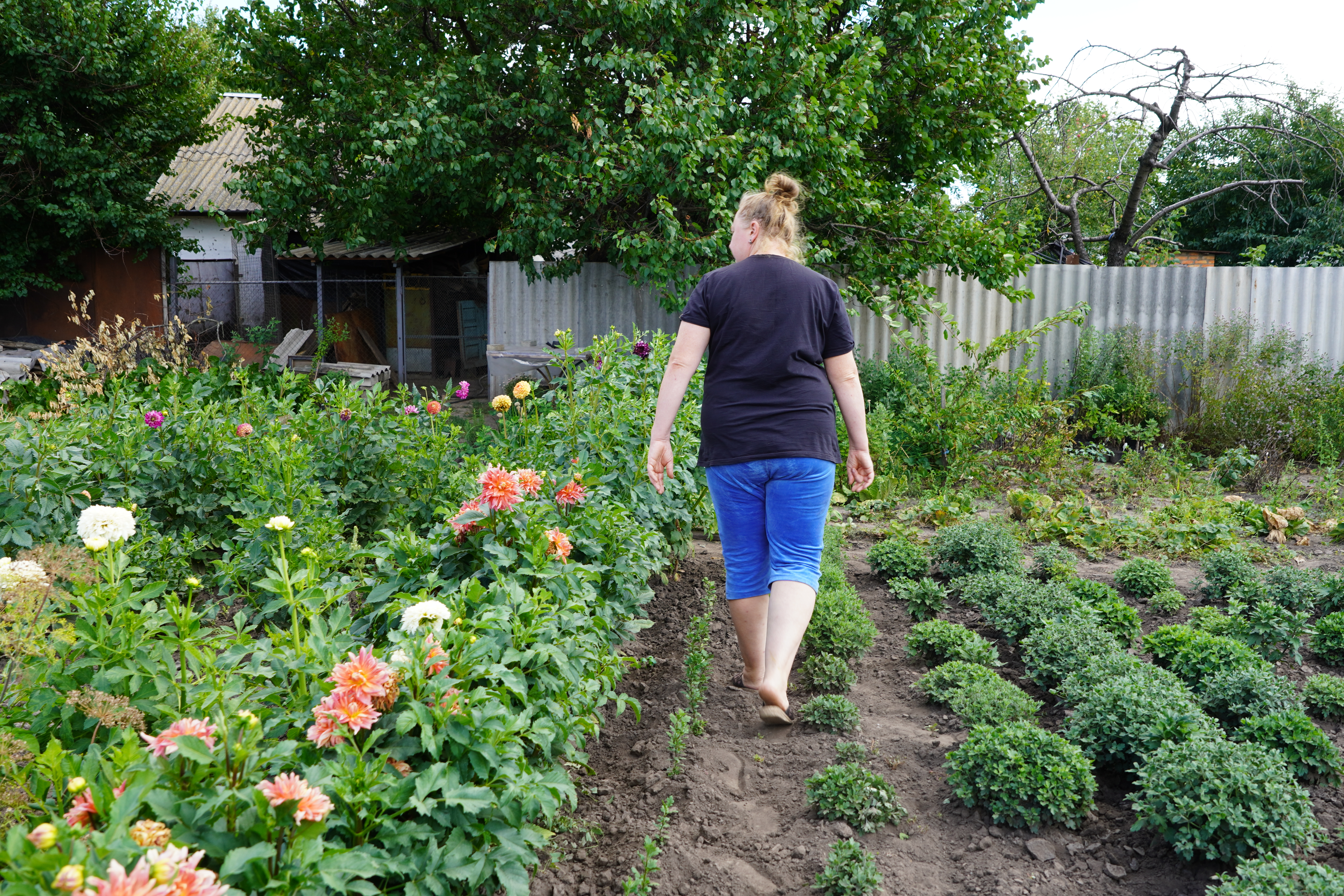
But when Olha talks about what has changed over the past year, she starts with something much more personal.
“Before, I didn’t want to put myself out there at all. I wanted to hide away and disappear from the world. And I’ve always found autumn difficult and gloomy, but now I’m waiting for it because that’s when my chrysanthemums start to bloom. Now I want to shine. Just a little.”
Olha is an IDP from Crimea with a person with disabilities in their household and became interested in growing chrysanthemums soon after moving to Cherkasy Region. Her first attempt at informally selling her produce, prior to ERC’s assistance, was far from successful: She ordered around 4,000 plants, but many of the plants were much smaller than she expected and had to be sold at a reduced price.
Instead, Olha began looking for other options. She found a supplier in the Netherlands and learned how to arrange international payments, deliveries, root the cuttings, and grow the plants herself. She and her mother worked with the first batches in small growing tunnels before they had a proper greenhouse.
Over time, Olha and her mom built a greenhouse, gained regular customers, legally registered their business, and learned what the market wanted. What she lacked was the financial room to grow.
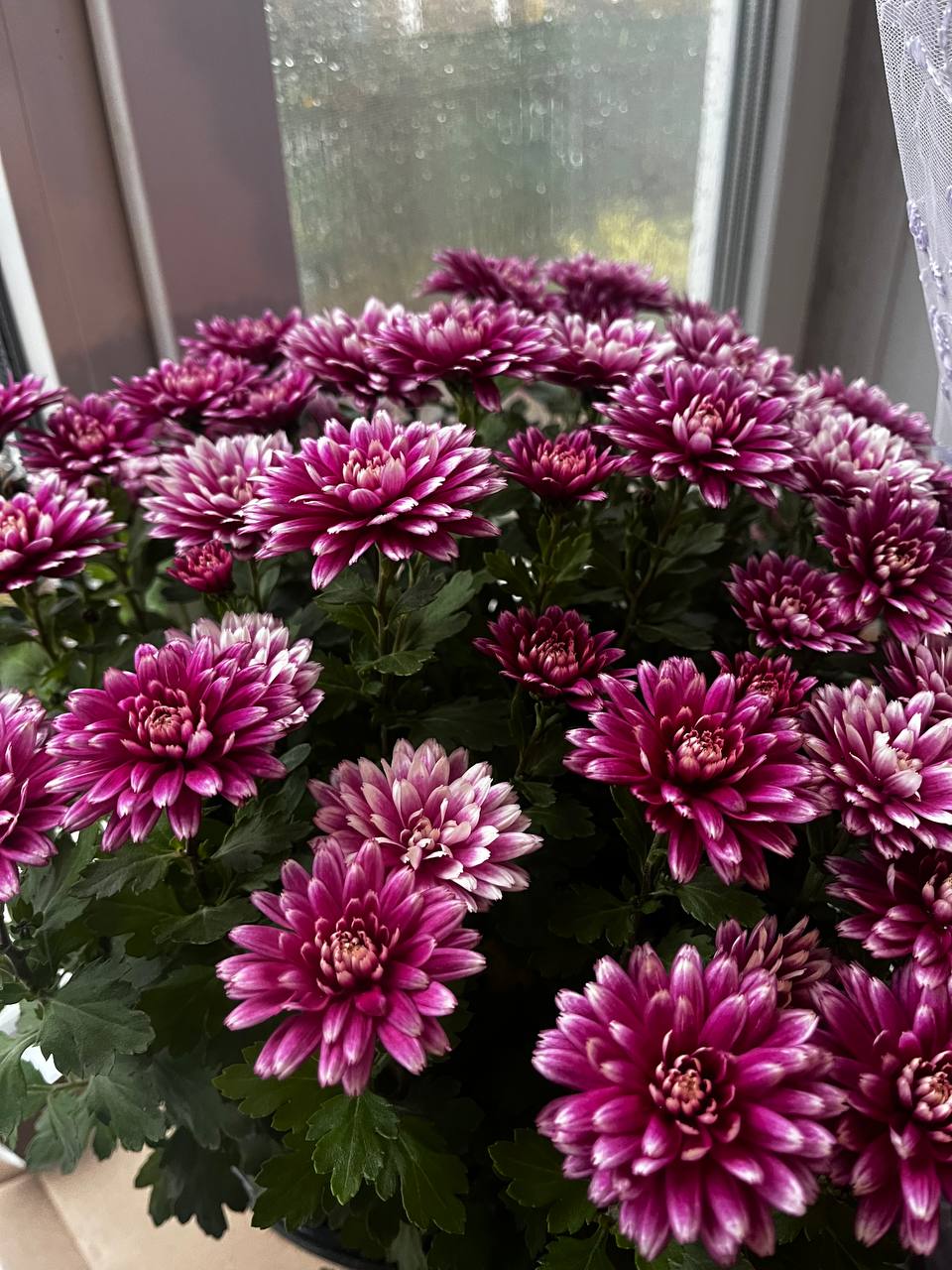
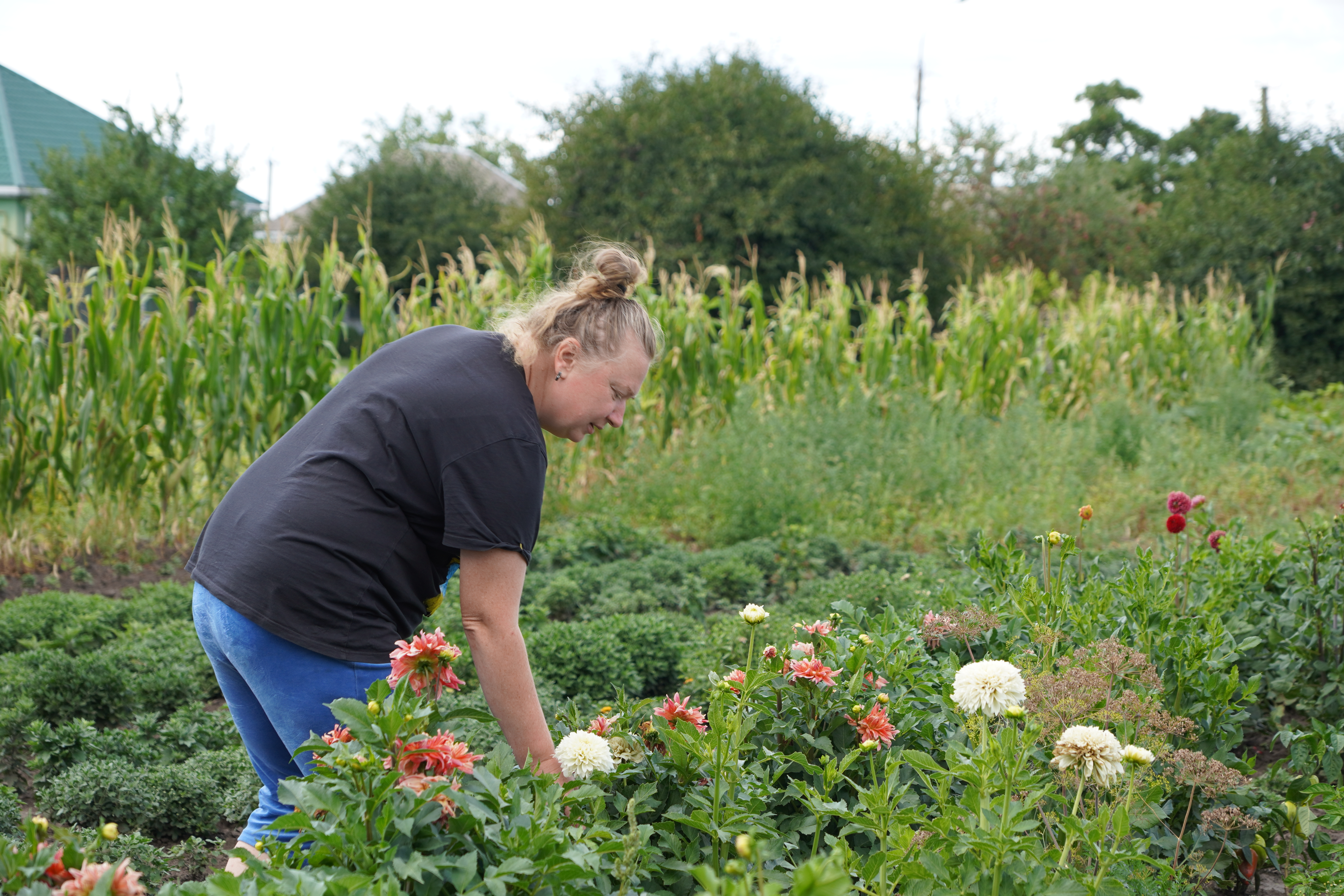
As she puts it, “sometimes you know you need 100 varieties of chrysanthemum but can only afford ten. That means constantly choosing what to postpone.”
In April 2026, Olha received a $2,000 business micro grant through the Estonian Refugee Council’s Resilient Initiatives for Self-Employment (RISE).
The timing mattered. The funding arrived at the beginning of the growing season, allowing Olha to purchase more chrysanthemum planting material and expand her assortment from around 30 varieties to more than 100 ahead of the autumn sales season. When the supplier could not provide the full planned order of chrysanthemums, Olha used part of the grant for gypsophila, adding another product to her business and extending the sales season.
Today, Olha continues to reinvest in the business. Local growers who previously bought mature plants from her have also started purchasing planting material, while Olha is looking to expand B2B sales and greenhouse capacity.
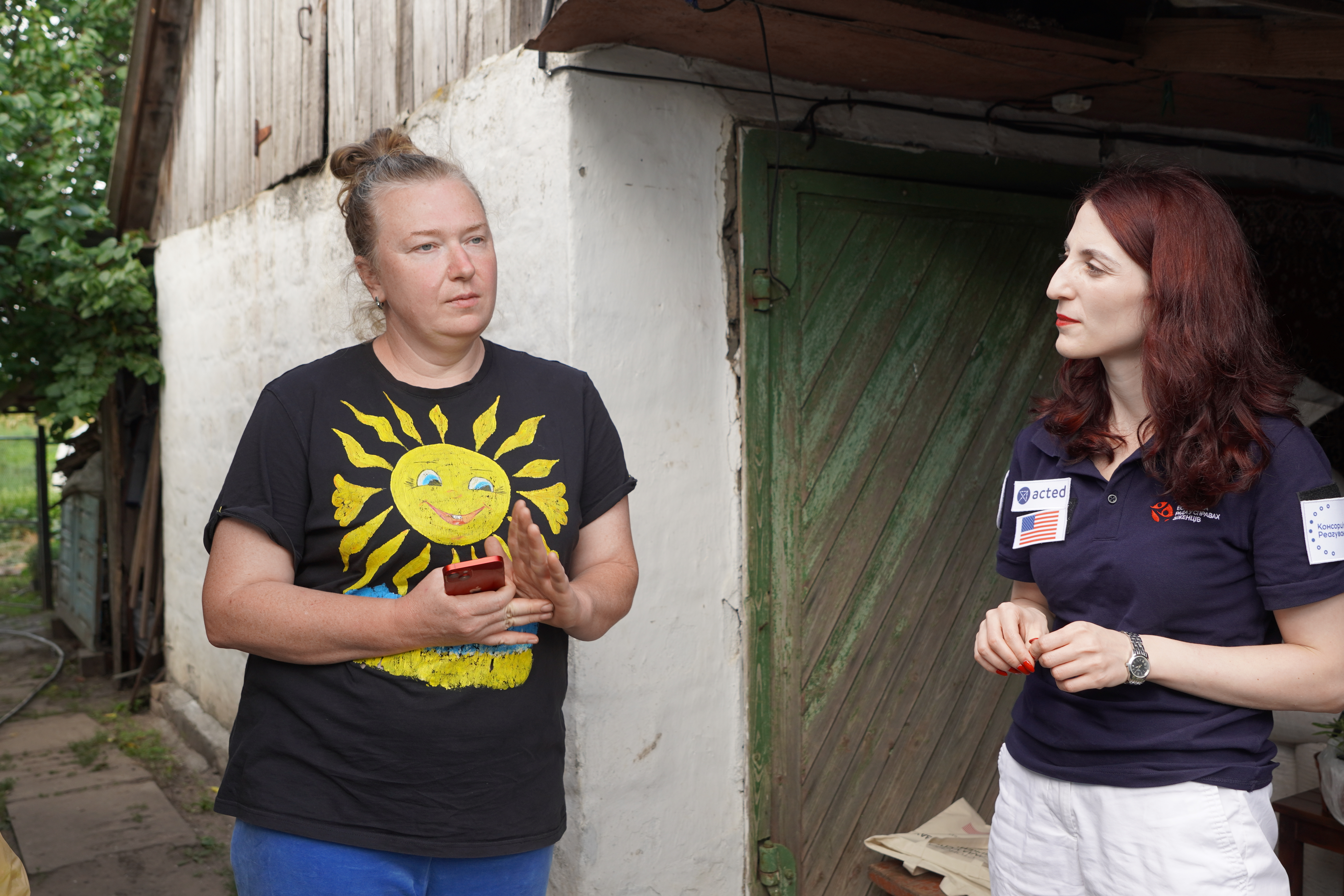
The RISE program aims to enhance businesses by supporting the establishment or expansion of local micro-businesses, thereby improving the capacity of conflict-affected populations in Ukraine to meet their basic needs.
“When it is my responsibility, I am ready to take responsibility for it.”
Olha says that the combination of financial support and learning opportunities through RISE gave her momentum, eased some of the anxiety she had been carrying, and helped her feel that moving forward was possible again.
“When you receive this kind of support, you start to feel that you are not alone.”
The project is funded by the United States Government and implemented as part of the Ukraine Response Consortium in partnership with Acted. The contents do not necessarily reflect the views of the United States Government.