Counselling
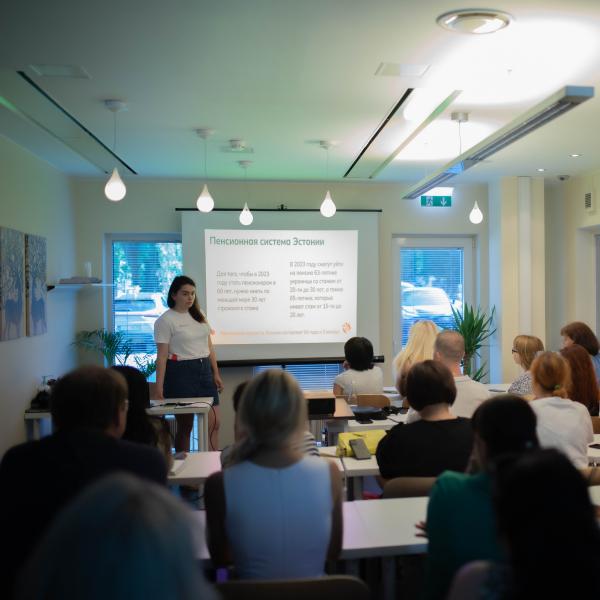
In unfamiliar environments, people need clarity and essential information. Through counselling, we deliver timely and accurate information to displaced people, helping them understand their rights and obligations while connecting them to available services. We also provide tailored referrals to state and municipal services that meet their specific needs.
Adaptation trainings
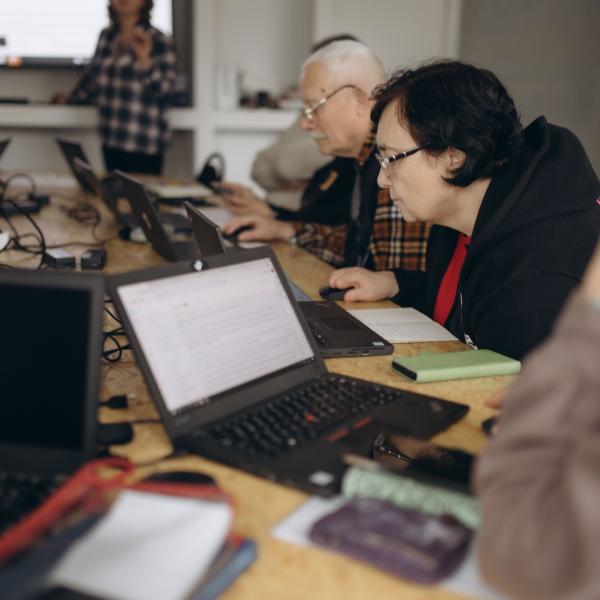
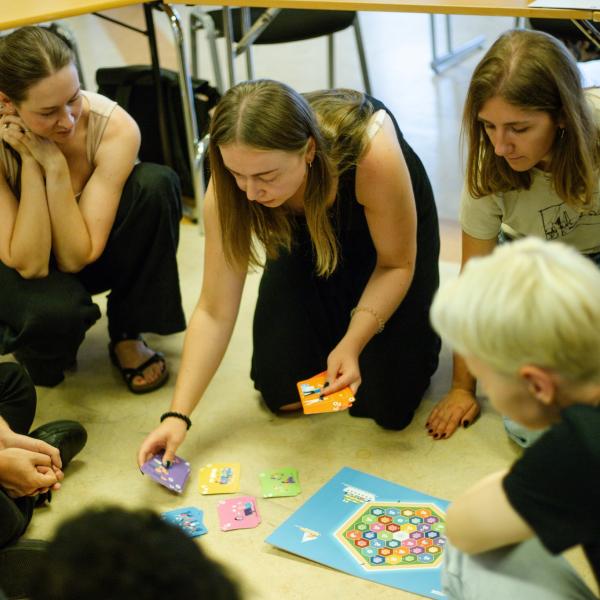
People who have had to flee their homes need essential information and support to rebuild their lives in a new environment. We provide group-based counselling and adaptation trainings to facilitate the smooth integration and self-sufficiency of refugees and displaced people.
Community empowerment
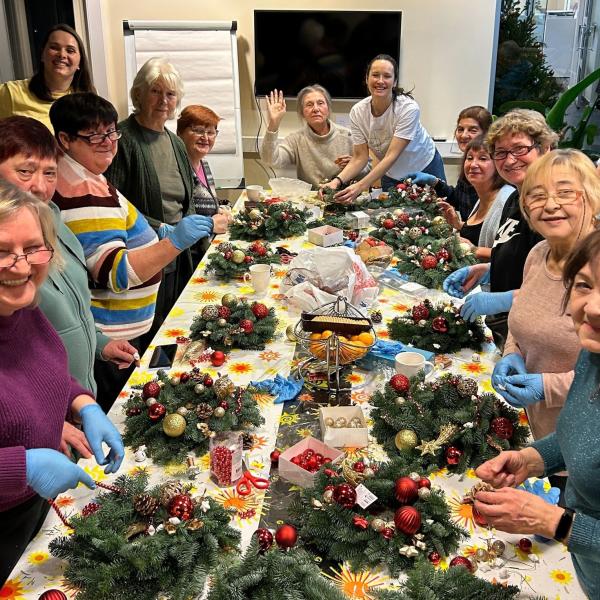
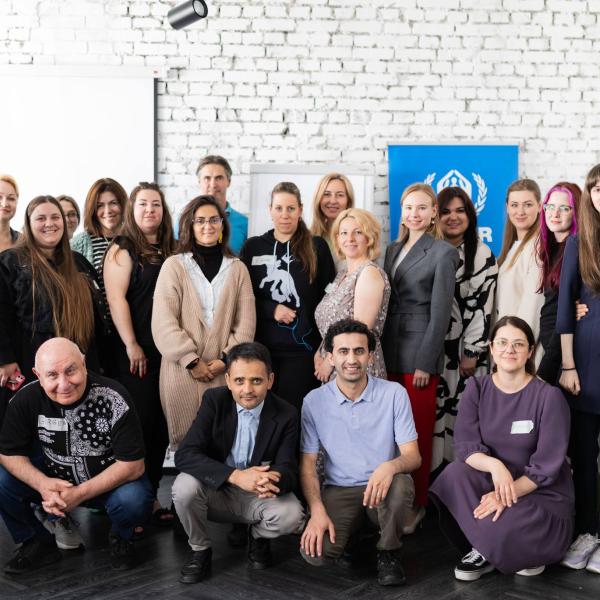
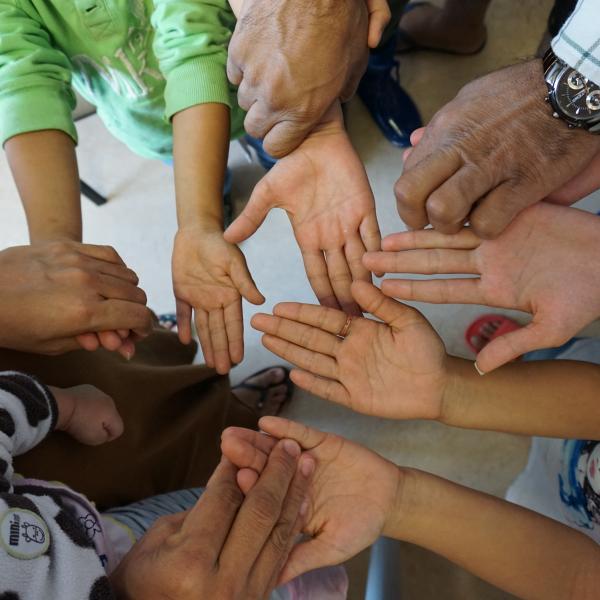
Integration is a process best experienced through personal interactions and real-life connections. We organise community events, various group activities, and children's and youth camps to support refugees in adapting to their new environment and to involve locals in embracing them into the community.
Group-based MHPSS
People exposed to conflict, natural disasters and other humanitarian crises can suffer significant psychological and social stress. We provide group-based mental health and psychosocial support (MHPSS), helping people address the emotional and psychological impacts of displacement. The programme helps people regain control of their lives, reduce feelings of isolation, and foster long-term well-being. It also emphasises building independence and resilience, equipping people with the tools they need to thrive even after the programme ends.
Community councils
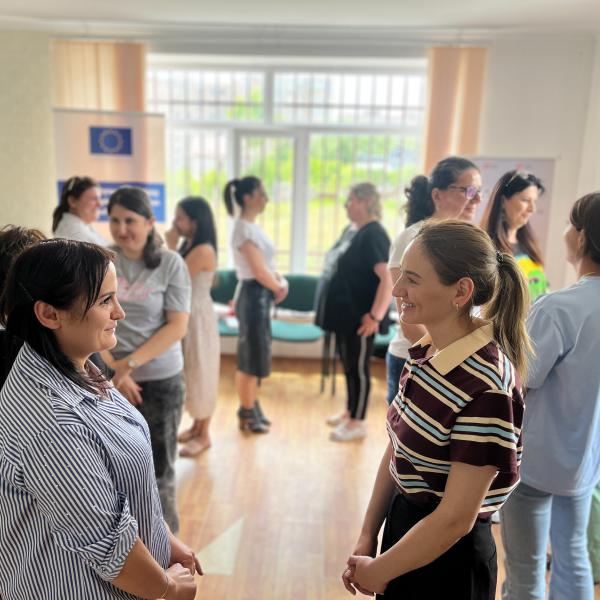
Community councils are designed to empower displaced people and refugees by providing them with a platform to collectively address their challenges and advocate for their rights. These councils support civil society, ensuring that refugees and internally displaced persons have greater opportunities to express their needs and make their voices heard. By fostering active involvement in decision-making processes and enabling systematic problem-solving through civic action, the programme enhances their representation and strengthens their role within their communities.
Protection monitoring
The well-being and safety of crisis-affected people often depend on the actions and decisions of others. This makes it crucial to systematically assess and address their protection needs. We systematically monitor and assess the needs and protection gaps of crisis-affected people to ensure effective access to necessary services. By identifying and documenting their needs along with the possible risks and threats, protection monitoring helps us uphold the rights of displaced people and ensure that the right actions are taken to safeguard their well-being.
Advocacy interventions
Advocacy plays a vital role in shaping policies and services that impact people who have been forced to flee. We advocate for the rights and well-being of crisis-affected people at local, national, and international levels, ensuring that their own voices are heard and taken into account. We partner with various stakeholders and networks to align our advocacy efforts and establish strong links to available resources and services.
Institutional empowerment
It is essential for professionals and institutions working with crisis-affected people to have the skills and understanding needed to offer support that respects their diverse backgrounds and experiences. We empower local authorities, civil society organisations, educational and health institutions, and other actors to be ready to respond and provide accessible and effective services to crisis-affected people.