Image
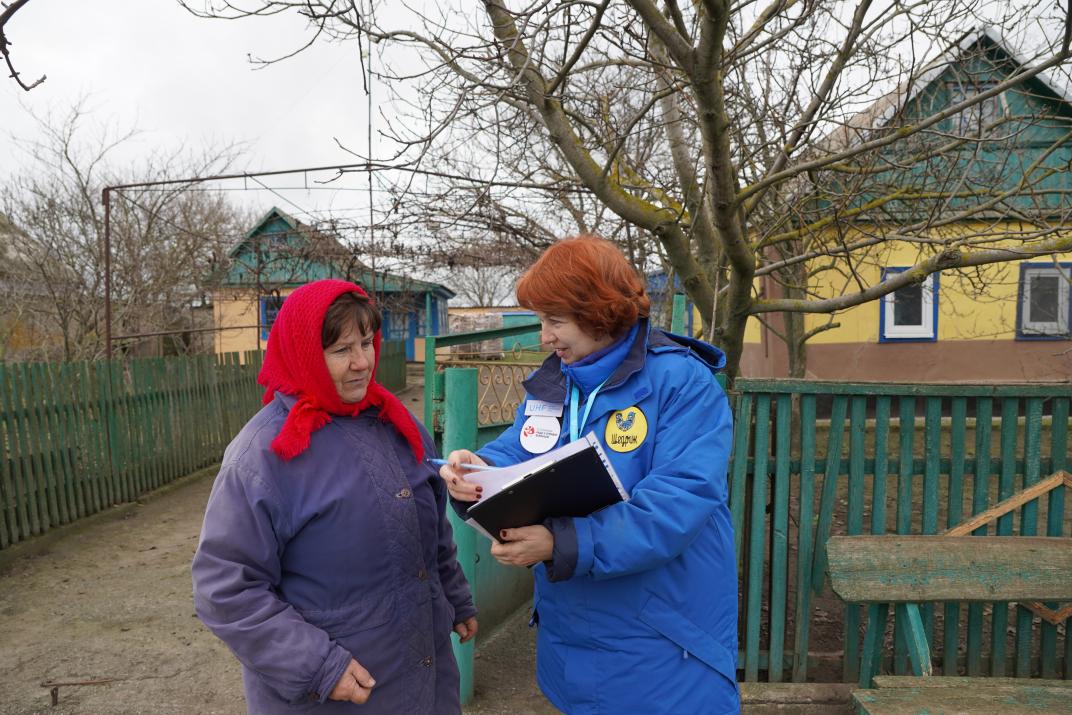
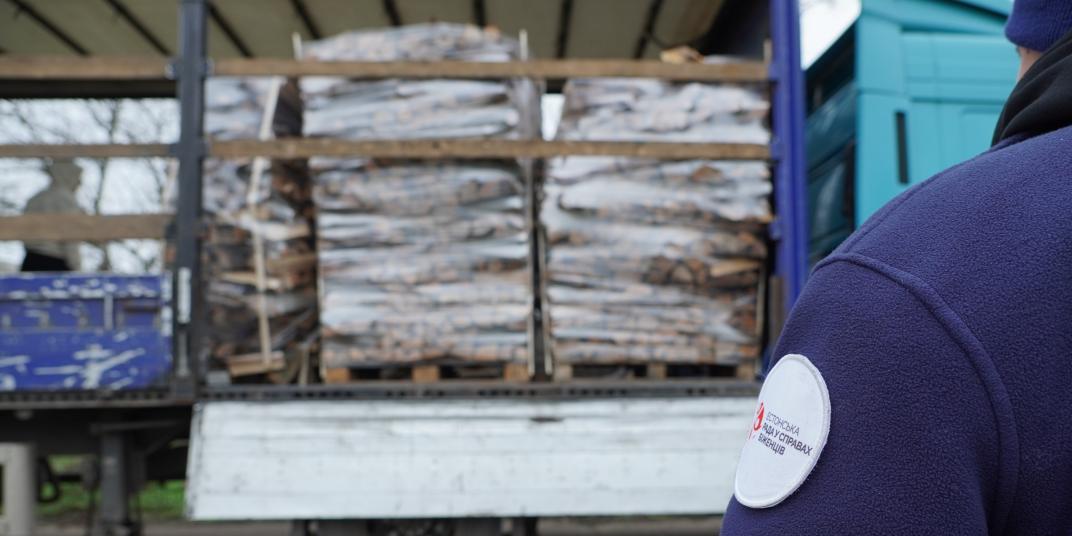
At the beginning of December, the Estonian Refugee Council, together with its local partner, the Shchedryk Charitable Foundation, travelled to Novopavlivka – a small village in the Velykooleksandrivska community of Kherson oblast that has been living with war for more than three years.
Before the full-scale invasion, over 700 people lived in the village. They grew vegetables, worked on local farms, and built their lives around the land. Unlike many other villages in the community, Novopavlivka was not occupied. However, the frontline ran just a few kilometres away, and the village was subjected to intense shelling. By the end of 2022, almost no buildings remained intact. With critical infrastructure destroyed, residents were left without water, electricity, or gas.
Every home here carries its own story of destruction, and every family – a story of survival. Winter is a separate and especially difficult challenge for villages like this, particularly for older people who are left on their own.
The home of Hanna Oleksandrivna is one such silent witness to the war. In 2022, shelling damaged one of the walls, causing it to sag. With no money for repairs, she propped it up with wooden poles. Several windows were shattered by shrapnel; volunteers managed to replace one frame, while the others had to be covered with plastic sheeting. This spring, a fragment from a drone once again broke a window in her summer kitchen.
Hanna Oleksandrivna is 63 years old. Her husband has passed away, and her children and grandchildren have been forced to leave because of the war, searching for safety and work.
“My pension is 2,361 hryvnias… you can’t buy much with that. But I manage to survive,” she says.
She does not want to burden her relatives with her difficulties and tries to cope on her own. She keeps a few chickens, tends a small vegetable garden, and once a year receives a modest income from leasing out her land share.
Despite everything, Hanna Oleksandrivna does not plan to leave. “And where would I go? This is my home,” she says simply.
Last year, she received heating assistance in the form of fuel briquettes. Even so, she still had to buy firewood with her own money, as briquettes burn quickly and also require kindling to get them started.
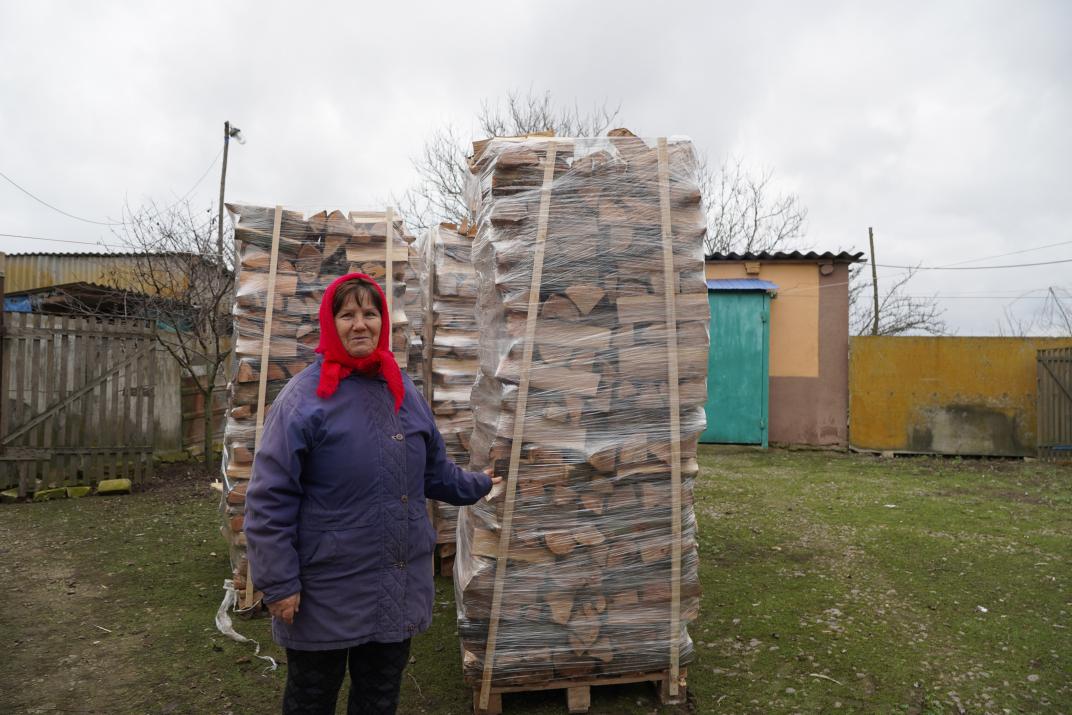
This year, when she managed to register for in-kind assistance, she was genuinely happy. Standing in her yard next to a neatly stacked pile of firewood, she smiles: “The firewood is good, and they brought it right here – It’s wonderful.”
Her neighbour is also named Hanna. She, too, lives alone and tries to survive on a very modest pension of 3,000 hryvnias (nearly 61 euros). According to her, this amount barely covers food, basic medicines, and small household expenses. Like many others, she relies on her garden and chickens to get by.
Her house stands on the edge of the village, and she constantly worries that another attack could destroy it. These fears are not unfounded: recently, a drone exploded in nearby fields, and the blast wave shattered a window in her veranda.
“It’s scary to live alone. Every night I listen to hear if anything is flying,” Hanna shares.
Still, she holds on. Because this is her land, her home, her roots.
Last year, Hanna received cash assistance for winter heating needs and bought firewood on her own. She recalls how difficult it was: not only finding firewood for sale, but also arranging delivery, and then paying extra to hire people to saw and chop it. This year, when she had the opportunity to receive pre-cut ready-to-use firewood – already delivered directly to her yard – she felt a deep sense of relief.
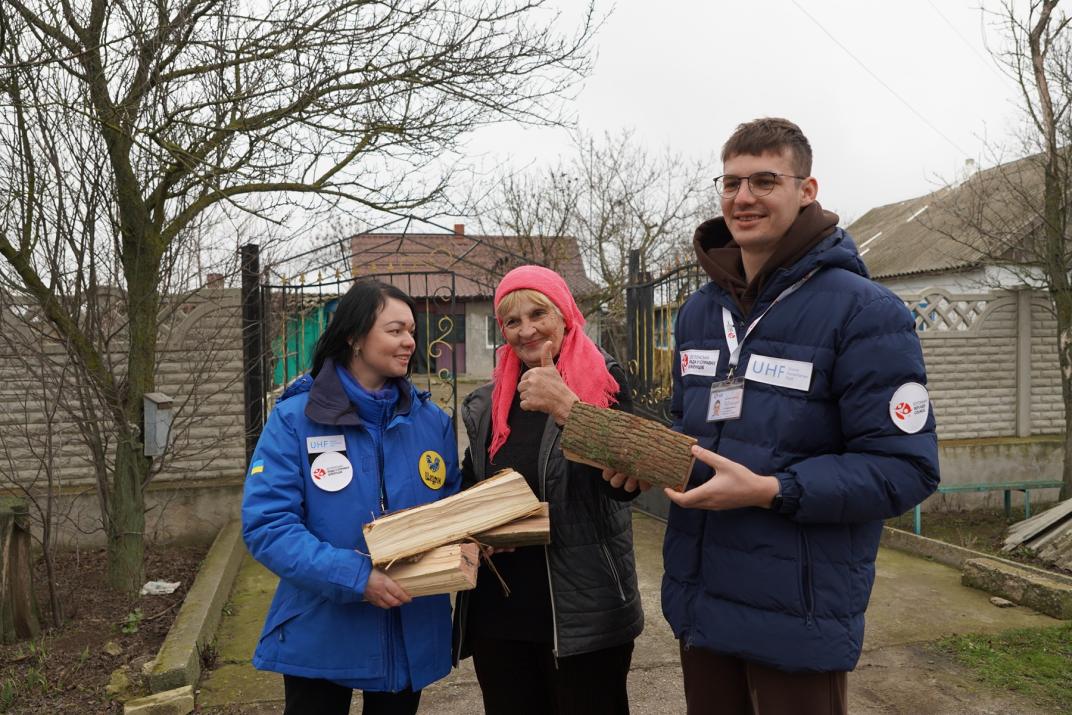
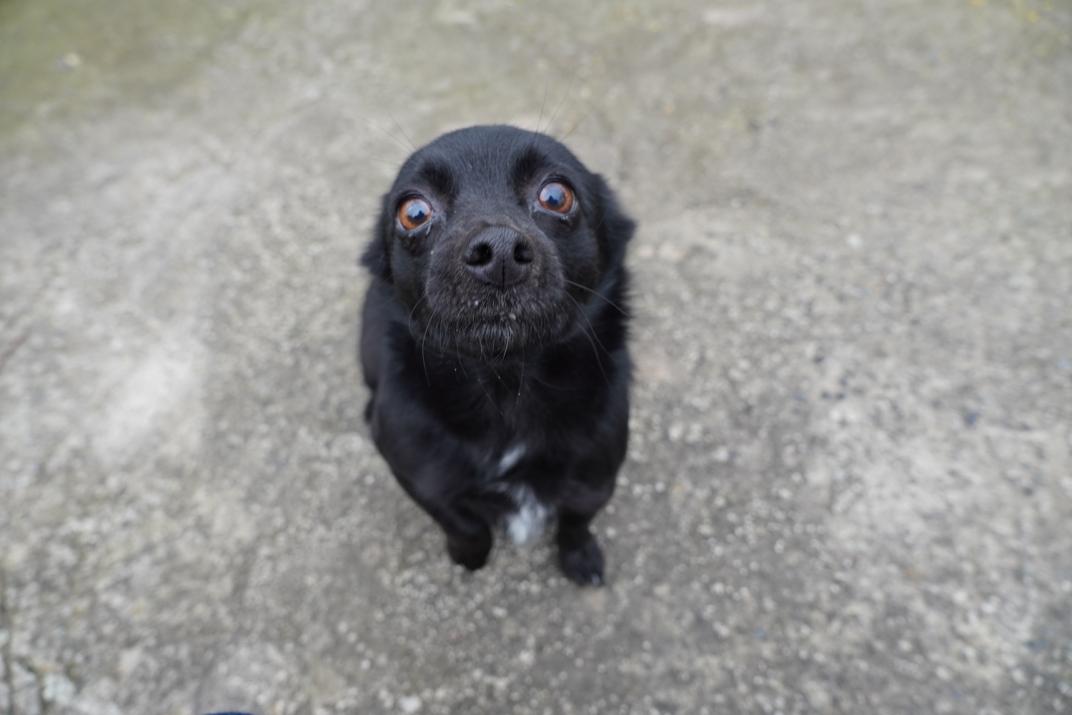
“This will be enough for the whole winter. My house is warm. And the firewood is good,” Hanna says. And she is not the only one pleased – her dog, Liusia, was equally delighted, showing great curiosity toward the new visitors in her yard.
While ERC team was talking to Hanna, another woman approached, carrying milk and cheese. She is originally from a neighbouring village and now lives in Novopavlivka, selling homemade dairy products to fellow residents. Her livestock also suffered from shelling: one cow was killed, while another miraculously made it to Novopavlivka.
In Novopavlivka, people support one another, because facing hardship together is easier. In a village that went through the eight months of a total black-out – where evenings were spent playing cards by candlelight instead of watching the news – neighbours became the main source of strength.
Thanks to funding from the Ukraine Humanitarian Fund #UHF, during December the Estonian Refugee Council will provide cash assistance for winter heating needs to around 300 families in the Velykooleksandrivska community. In addition, our local partner Shchedryk, will deliver 5.26 cubic metres of firewood to another 250 families who have chosen in-kind assistance.
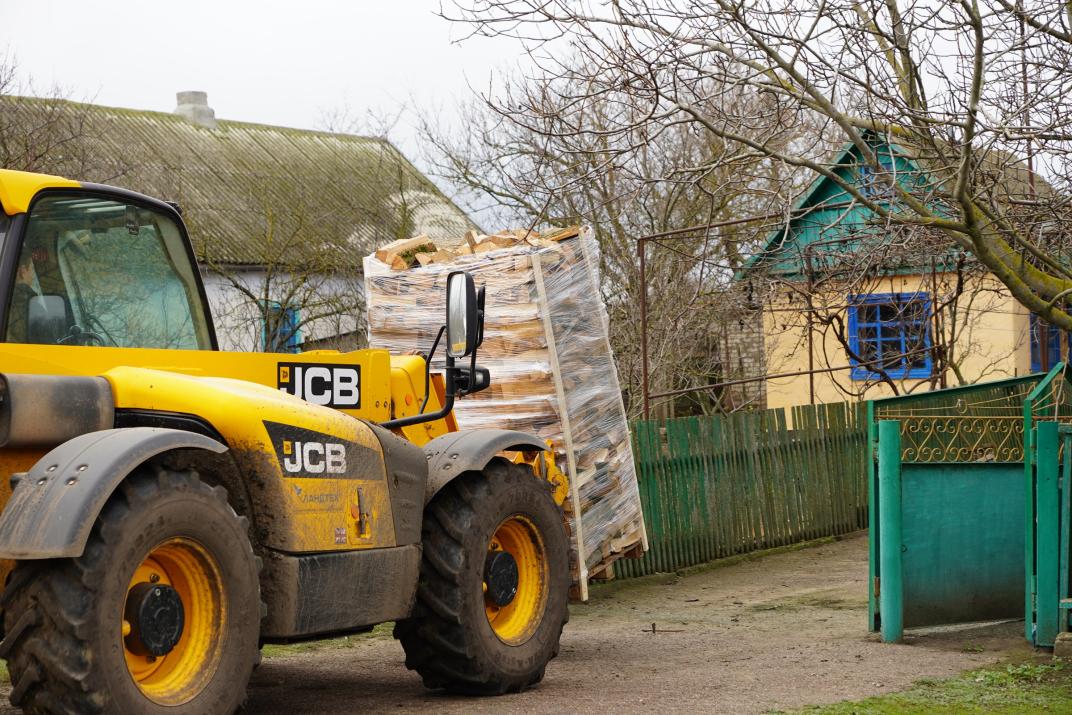
Our teams do more than deliver firewood. We come to listen, to understand people’s real needs, and to bring not only assistance, but also the feeling that they are not alone. For both Hannas in Novopavlivka, this firewood means the chance to get through the winter with less fear – and with more hope.


